 $ USD
$ USD
Blog
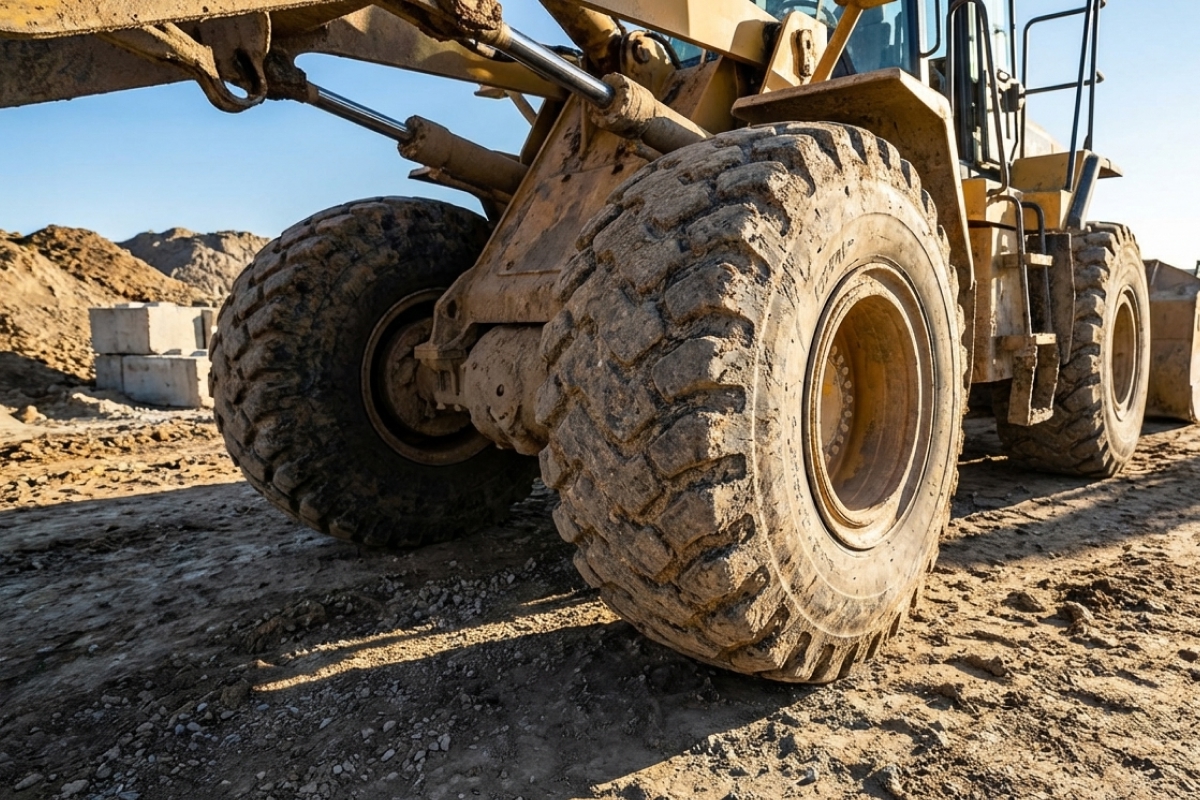
How to Choose the Right Tires for Heavy Equipment: Performance, Durability, and Job Site Efficiency
A complete professional guide to selecting heavy equipment tires based on terrain, durability, and operational performance.
Introduction
In heavy equipment operations, tires are often overlooked — yet they play one of the most critical roles in performance, safety, and operational cost.
The wrong tire choice can result in:
- Reduced traction
- Increased fuel consumption
- Faster wear and tear
- Higher downtime
On the other hand, the right tires improve efficiency, stability, and machine lifespan.
This guide breaks down how to make the right decision based on real job site conditions.
Understanding the Role of Tires in Heavy Equipment
Unlike standard vehicle tires, heavy equipment tires must withstand:
- Extreme weight loads
- Harsh terrain conditions
- Continuous operational stress
They directly affect:
- Machine stability
- Operator safety
- Productivity output
Choosing the right tire is not optional — it is a critical operational decision.
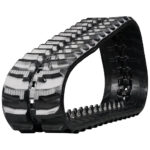
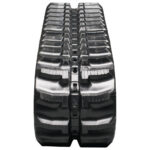
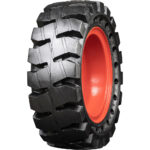
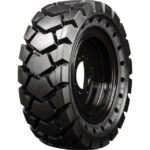
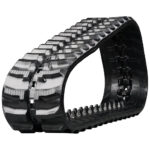
Types of Heavy Equipment Tires
1. Pneumatic Tires
These are air-filled tires commonly used across many machines.
Advantages:
- Better shock absorption
- Improved ride comfort
- Suitable for mixed terrain
Limitations:
- Prone to punctures
- Requires regular pressure checks
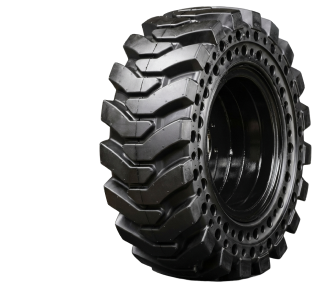
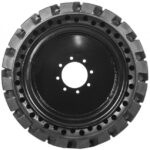
2. Solid Tires
Made entirely of rubber, designed for maximum durability.
Advantages:
- Completely puncture-proof
- Ideal for harsh environments
- Low maintenance
Limitations:
- Reduced comfort
- Heavier
3. Foam-Filled Tires
A hybrid solution combining strength and flexibility.
Advantages:
- Resistant to punctures
- Better stability than pneumatic
- Longer lifespan
Limitations:
- Higher cost
- Less flexibility than air-filled tires
Matching Tires to Job Site Conditions
Soft and Muddy Terrain
Requires deep tread patterns for traction and self-cleaning capability.
Hard Surfaces (Concrete / Asphalt)
Requires smoother tread to reduce wear and improve longevity.
Rocky Terrain
Requires reinforced sidewalls and heavy-duty construction.
Mixed Environments
Requires balanced tread for versatility.
Signs Your Tires Need Replacement
Ignoring tire wear can lead to major operational risks.
Watch for:
- Uneven tread wear
- Cracks or visible damage
- Loss of traction
- Frequent pressure loss
Replacing tires at the right time prevents costly downtime.
Common Mistakes When Buying Heavy Equipment Tires
Choosing Based on Price Alone
Low-cost tires often result in faster wear and reduced performance.
Ignoring Terrain Requirements
Using the wrong tire type leads to inefficiency and safety risks.
Overlooking Load Capacity
Each tire has a load rating — exceeding it reduces lifespan and increases failure risk.
Performance Optimization Tips
To extend tire lifespan and improve performance:
- Maintain correct tire pressure
- Avoid overloading equipment
- Rotate tires when applicable
- Inspect regularly for damage
Proper maintenance significantly reduces long-term costs.
Cost vs Long-Term Value
Cheap tires may seem cost-effective initially but often lead to:
- Frequent replacements
- Increased downtime
- Higher operational costs
High-quality tires deliver:
- Longer service life
- Better performance
- Improved safety
Why HeavyLiftZone
HeavyLiftZone provides durable, high-performance tires built for demanding environments.
What you get:
- Reliable heavy-duty construction
- Options for different terrains and applications
- Expert support for correct selection
- Consistent product quality
Conclusion
Tires are not just components — they are a critical part of your machine’s performance system.
Choosing the right tires ensures:
- Better productivity
- Increased safety
- Lower long-term costs
Making the right decision upfront saves significant time and money in the long run.